.jpg)


Key Takeaways
- Electrical inspections protect your safety, confirm code compliance, and safeguard your investment.
- Inspectors review wiring, panels, outlets, grounding, and fixtures to ensure the system is reliable and functioning properly.
- Common issues include outdated wiring, overloaded circuits, DIY work, faulty outlets, and undersized panels.
- Inspections involve a walkthrough, system testing, code review, and the preparation of a detailed written report.
- Red flags such as aluminum wiring, undersized service, scorched panels, or missing GFCIs require serious attention.
- If issues are found, buyers can negotiate repairs, request financial credits, or budget for upgrades.
Buying a home is one of the most significant financial decisions you'll ever make, and it's easy to get caught up in the excitement of location, layout, and price. Yet behind the walls lies a system that can determine whether your new home is safe and reliable: the electrical wiring.
Faulty or outdated systems can increase the risk of fires, drive up repair costs, and even make it harder to secure insurance. Because electrical components aren't always visible, a proper inspection is often the only way to uncover hidden problems before you sign the final papers.
Read on to discover everything you need to know in this complete guide to electrical inspection during home buying.
Why Electrical Inspections Matter in Home Buying
When purchasing a home, the electrical system is one of the most critical aspects to review. It directly impacts your safety, comfort, and long-term expenses. Neglecting this step can result in unforeseen repair costs or, even more concerning, unsafe living conditions.
To understand why inspections are so necessary, consider the following key points:
- Ensures safety: A thorough inspection identifies conditions that could cause electrical fires or shocks, such as overloaded circuits, deteriorated wiring, or improperly installed components. Detecting these risks early protects you and your household from potential harm.
- Confirms compliance: Electrical systems must meet local building codes to be legally approved and insurable. Inspectors verify that the installation and upgrades comply with the required standards. Code-compliant systems are more reliable and easier to maintain, reducing the chances of future violations or costly corrections.
- Protects your investment: Electrical issues hidden behind walls can impact a property's resale value and lead to costly repairs after purchase. An inspection helps you assess whether upgrades or replacements are needed, allowing you to make a clear financial decision before closing.
Given the complexity, it's recommended to hire a professional electrical service provider to carry out this process. Experienced electrical services can carry out inspections with precision and provide solutions if any issues are discovered. This level of expertise gives you confidence that the property you are considering is safe and represents good value for its price.
What an Electrical Inspection Covers
Knowing why inspections matter is the first step. The next step is understanding exactly what a professional inspector reviews during the process. An electrical inspection is a comprehensive review of the system that powers the entire home. It's about making sure the wiring, panel, and protective features are safe and capable of handling the demands of modern appliances and electronics.
The following are the main areas an inspector will examine in detail:
Ready to Buy a Safe Home in Colorado?
Let us help you. Call or Text Kenna Real Estate Group at 303-955-4220 to get personalized assistance from our expert real estate agents. Find out what your home is worth in today's market.
Wiring condition
The type and state of the wiring determine how safe and reliable the system is. Inspectors look for outdated methods such as knob-and-tube or aluminum wiring, which can overheat or fail under today's electrical loads. They also check for frayed insulation, loose joints, or improper splices that could cause sparks or fires. Even in newer homes, damaged or poorly installed wiring can be a concern if shortcuts were taken during the construction process.
Electrical panel
The panel, often referred to as the breaker box, serves as the central hub for distributing incoming electricity throughout the house. Inspectors evaluate whether the panel has adequate amperage to support the property's size and appliances. They also look for rust, scorch marks, or buzzing sounds that signal internal problems. Breakers must trip correctly when overloaded, and labeling should be clear to help homeowners identify which switch controls which area of the house.
Outlets and switches
A functioning outlet or switch doesn't always guarantee safety. Inspectors test for grounding to prevent shocks and confirm proper polarity. GFCI protection is mandatory in areas prone to moisture, including kitchens, bathrooms, garages, and outdoor spaces. Without it, there's a higher risk of electrical accidents. Inspectors also note outlets that feel warm, are cracked, or appear scorched, as these are signs of wiring problems behind the walls.
Grounding and bonding
A reliable grounding system ensures that excess electricity flows safely into the earth, rather than causing injury or damaging appliances. Bonding, on the other hand, connects metallic components so they remain at the same electrical potential, reducing the risk of shocks. Inspectors verify that these protections are correctly installed, not corroded, and not disconnected. Inadequate grounding is a serious concern that can impact both safety and the function of surge protectors.
Lighting fixtures
Fixtures may seem like minor details, but faulty ones are a familiar source of hazards. Inspectors verify that fixtures are installed securely, wired correctly, and capable of handling the wattage of the bulbs in use. They also look for flickering lights, buzzing sounds, or excessive heat, all of which may point to loose connections or overloaded circuits. Poorly installed fixtures can be a fire risk or cause damage to the ceiling or walls over time.
A detailed inspection of these components gives buyers clarity about the property's electrical health. It also identifies areas that might need updates, helping buyers make informed choices before completing the purchase.
Ready to Buy a Safe Home in Colorado?
Let us help you. Call or Text Kenna Real Estate Group at 303-955-4220 to get personalized assistance from our expert real estate agents. Find out what your home is worth in today's market.
Common Electrical Issues Found in Homes
Once you know what inspectors look for, it becomes easier to recognize the common problems they often find in homes. Even seemingly pristine homes may have hidden electrical problems that can only be detected by a qualified inspector. These issues usually go unnoticed by homeowners but can create significant risks for buyers if left unaddressed.
The following are some of the most common electrical problems inspectors encounter:
Outdated wiring
Many older homes still rely on knob-and-tube or aluminum wiring, which were once standard but no longer meet modern expectations. These systems weren't designed for today's high-demand appliances and electronics. As a result, they can overheat, lose efficiency, or even spark fires if pushed beyond their limits. Replacing outdated wiring is often a significant project, but it's essential for safety and reliability.
Overloaded circuits
Each circuit is built to carry a designated electrical load. When too many devices or appliances are plugged into it, the wires overheat and the breakers trip. Some homeowners try to "solve" this by adding extra outlets or power strips without making proper upgrades, which only increases the risk of overheating. Inspectors often flag these conditions because they can silently stress the system until a failure occurs.
Improper DIY work
Quick fixes done without proper training are a common cause of hidden hazards. Examples include exposed splices, unsecured wires, or incorrectly sized breakers that don't match the wiring. While these shortcuts may be effective in the short term, they often bypass safety standards and can lead to serious problems over time. Inspectors can usually spot signs of this kind of work, which frequently requires correction by a licensed electrician.
Faulty outlets
Outlets are one of the most commonly used components of any electrical system, and wear over time is a common occurrence. Loose connections, burn marks, or outlets that stop working altogether are all signs of trouble. Some outlets also lack grounding or GFCI protection, which leaves users vulnerable to shocks, especially in kitchens, bathrooms, and outdoor areas. Replacing or upgrading outlets is usually straightforward, but catching these issues early is key.
Undersized panels
Older homes often have electrical panels rated at 60 or 100 amps, which are insufficient for modern living. With central heating and cooling, multiple large appliances, home offices, and even electric vehicle chargers, today's households require far more power. An undersized panel not only limits convenience but also puts the entire system under strain, increasing the risk of overheating or damage to appliances. Inspectors typically recommend upgrading panels to provide the capacity needed for safe and consistent performance.
Uncovering these issues during an inspection helps buyers avoid unexpected costs and gives them leverage to negotiate solutions before closing on a property.
How Electrical Inspections Are Conducted
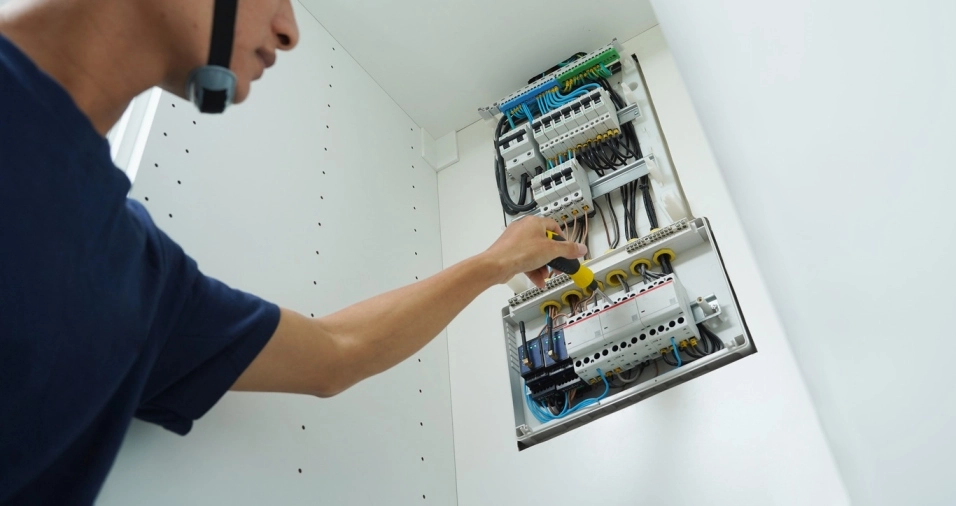
To fully appreciate how these problems are identified, it helps to understand how inspections are actually carried out. Understanding the process behind an electrical inspection can help buyers feel more prepared and confident about what's happening during the evaluation.
To give you a clearer idea, the following are the typical steps inspectors take when reviewing a home's electrical system:
- Initial walkthrough: The inspector begins with a general survey of the property, checking visible components for immediate concerns. They may look at the placement of the electrical panel, exposed wiring, or outdated fixtures. This step provides an overview and helps identify areas that require closer attention.
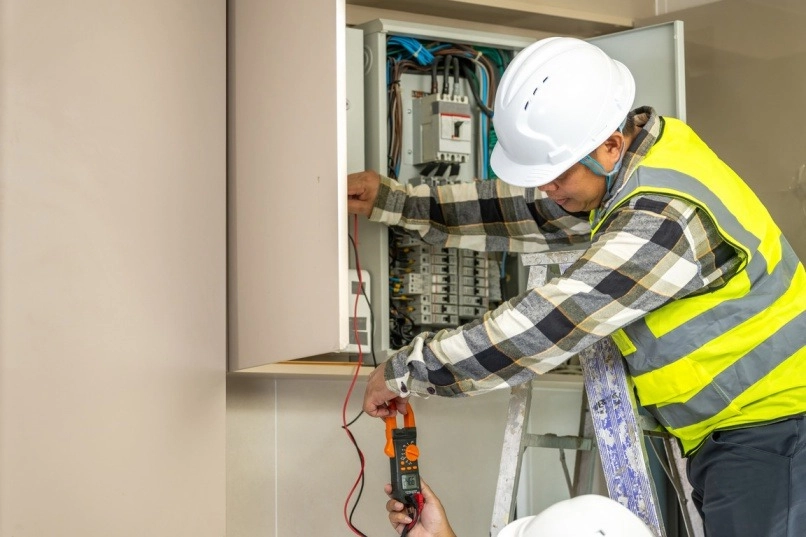
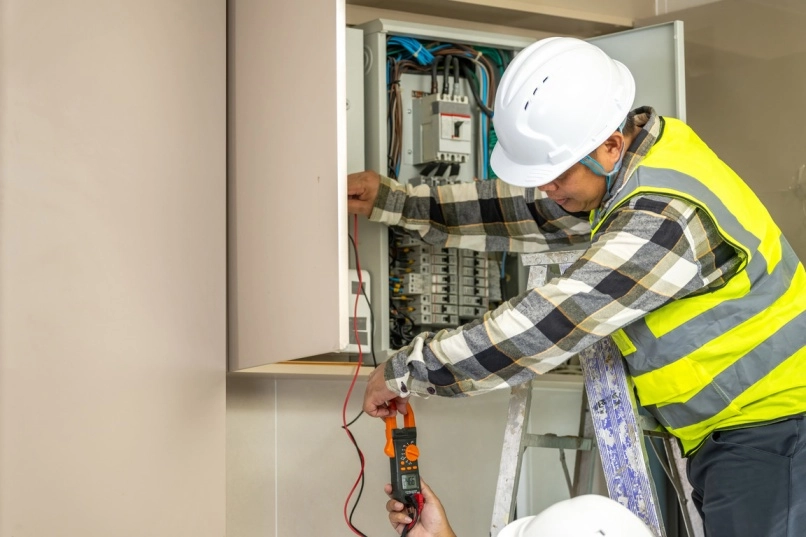
- System testing: Beyond what can be seen, inspectors test outlets, switches, and the panel for proper operation. Inspectors often use specialized equipment to check voltage levels, verify proper grounding, and confirm that breakers operate correctly. These safety tests help prove that the system can handle regular use without creating risks for the occupants. This step helps uncover hidden defects that could affect performance or safety.
- Code review: Once the system's performance is assessed, the inspector compares what they see against current building codes. This includes verifying outlet placement in designated areas, confirming the correct breaker size, and ensuring proper wiring practices. Compliance with code is critical for both safety and insurance approval.
- Detailed Reporting: Once the inspection is complete, the inspector prepares a detailed written report that summarizes all findings. This document highlights issues ranging from minor corrections to significant hazards and often includes recommendations for repair or replacement. Buyers can leverage this report to make well-informed decisions and, if necessary, negotiate repairs or concessions with the seller.
While the length of the inspection can vary depending on the home's size and condition, the process is designed to provide buyers with a clear picture of how well the electrical system can support their needs.
This process usually takes a few hours, depending on the property size and condition.
Ready to Buy a Safe Home in Colorado?
Let us help you. Call or Text Kenna Real Estate Group at 303-955-4220 to get personalized assistance from our expert real estate agents. Find out what your home is worth in today's market.
Red Flags That Shouldn't Be Ignored
While the process is thorough, certain red flags can immediately signal serious issues you shouldn't overlook. One of the most concerning issues inspectors encounter is the presence of aluminum wiring. This material, once common in older homes, tends to overheat and create fire hazards when connected to modern fixtures. If aluminum wiring is found, it often requires either specialized connectors or complete replacement to ensure long-term safety.
Another major red flag is an undersized electrical service. A 60-amp service, for instance, is insufficient for today's demands, which often include multiple large appliances, central air systems, and advanced electronics. Without upgrading to a higher capacity, homeowners risk frequent outages and increased wear on their system.
In addition, scorched panels or outlets should raise immediate concern. Burn marks are a sign that circuits have been overheating, which can point to loose connections, overloaded wiring, or failing components. Left unaddressed, these conditions can escalate into severe electrical fires.
Furthermore, the absence of ground fault circuit interrupters (GFCIs) in wet areas is a critical problem. Kitchens, bathrooms, and laundry rooms require this protection to prevent shocks when water is present. Without GFCIs, even minor accidents, such as touching an appliance with damp hands, could lead to life-threatening consequences.
Taken together, these warning signs highlight when a home may need significant electrical work before it's safe for occupancy. While they don't automatically mean a purchase should be abandoned, they demand careful attention and informed decisions.
What to Do if Issues Are Found
Discovering problems doesn't always mean you have to walk away from them. When inspection results reveal electrical concerns, the first step is to stay practical and review the report in detail. Some issues may be minor and inexpensive to correct, while others could indicate the need for significant upgrades. Taking time to understand the severity of each problem helps you weigh whether the property is still a good fit.
Once you have clarity on the scope of repairs, it's important to discuss options with the seller. In many cases, buyers can negotiate to have licensed professionals handle the work before closing. This ensures the home is delivered in safe condition and removes uncertainty about repair costs after purchase.
If the seller is unwilling to make changes, another option is requesting a financial adjustment. This can come in the form of credits or a reduced purchase price, giving you control over how and when the repairs are completed. Such arrangements are standard in real estate, enabling buyers to proceed without incurring unplanned expenses.
However, there are times when taking responsibility for the upgrades yourself makes sense. For example, buyers who plan on remodeling may prefer to address electrical concerns as part of broader renovation projects. In these cases, setting aside a dedicated budget prevents surprises and helps keep improvement plans on track.
Ultimately, how you respond to inspection findings depends on your comfort level and long-term goals. Some buyers are willing to accept a property that requires repair work, while others prioritize a move-in-ready home. Keeping open communication with your inspector, electrician, and real estate agent ensures you make informed choices before signing the final papers.
Final Thoughts
Buying a home is as much about peace of mind as it is about finding the right property. An electrical inspection ensures you're not stepping into hidden risks that could compromise your safety or finances later on. Beyond the technical checks, it gives you the confidence to move forward knowing the house is prepared to support your lifestyle. Treating this step as a priority not only safeguards your investment but also helps you start homeownership on solid ground.