.jpg)


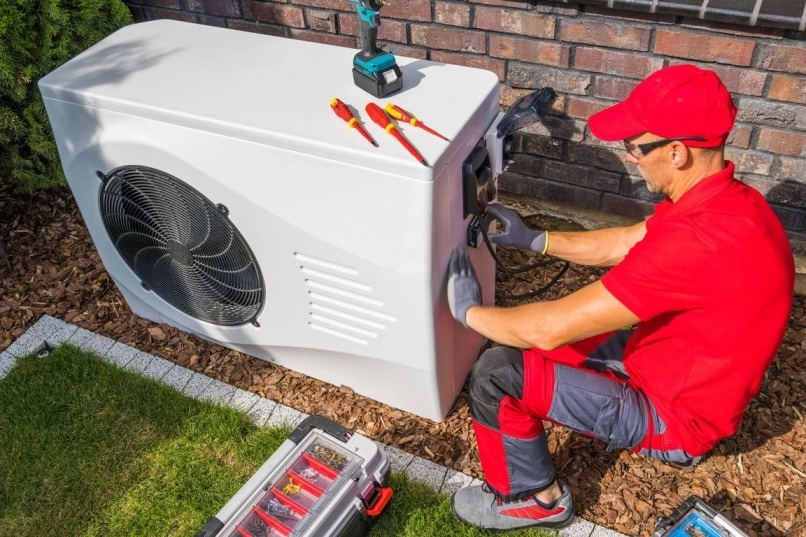
A Front Range home with a working, recently serviced air conditioner sells to a wider pool of buyers than one with a broken or missing system, and that gap has grown as Denver metro summers run hotter and buyers relocating from other states expect central air as standard, not optional. A seller who repairs or services the AC before listing removes a negotiating point that otherwise surfaces during the inspection period.
Why AC Condition Matters More to Colorado Buyers Now
Denver's older housing stock was built in an era when evaporative cooling, not central air, was the norm, since low humidity made a swamp cooler effective and cheap to run. As summers have grown hotter and more buyers move in from regions where central air is standard, a home listed without it, or with a unit that doesn't work, narrows the buyer pool and invites a lower offer.
What AC Repair Costs in Denver Metro
| Repair | Typical Front Range Cost |
|---|---|
| Refrigerant recharge | $200 to $500 |
| Capacitor or contactor replacement | $150 to $400 |
| Condenser fan motor replacement | $400 to $800 |
| Evaporator coil replacement | $1,500 to $3,000 |
| Full central AC replacement | $4,000 to $8,000 |
Evaporative Cooling vs. Central Air on the Front Range
An evaporative cooler, commonly called a swamp cooler, pulls outside air across water-saturated pads and pushes cooled, humidified air into the home, and it costs far less to run than central air because it uses a fan and a small water pump instead of a compressor. It works well in Colorado's low humidity but loses effectiveness during the brief but real monsoon-season humidity spikes in July and August, and it can't dehumidify the way central air can. Buyers relocating from more humid states see central air as the standard and a swamp cooler as a downgrade, even though it's a legitimate, efficient choice for the Front Range climate.
How Long Central AC Lasts in Colorado
A central air conditioner runs 12 to 17 years on the Front Range, and units that see heavy use through Colorado's hot, dry summer afternoons and intense UV exposure at altitude can wear faster than the same equipment at lower elevation and milder sun exposure. An inspector notes the AC's manufacture date from its nameplate during a standard Colorado home inspection.
Common AC Problems Found During Colorado Inspections
- Low refrigerant charge: shows up as weak cooling and ice forming on the coil.
- Failing capacitor: the unit struggles to start or the fan runs slow.
- Dirty condenser coil: reduced airflow from a unit caked in cottonwood seed and dust, common along the Front Range in late spring.
- Undersized or mismatched system: an AC added later that doesn't match the furnace's airflow, common in homes originally built with only a swamp cooler.
Altitude and AC Performance
Thinner air at Denver's 5,280 feet and Colorado Springs' higher elevation reduces an AC condenser's heat-rejection efficiency slightly compared to sea level, which is one reason a correctly sized system matters more here than in a lower-elevation market. An HVAC contractor familiar with Front Range installations accounts for elevation when sizing a replacement system.
Running Cost on Xcel Energy Summer Rates
Xcel Energy's summer electric rates run highest on weekday afternoons and early evenings, exactly when a Front Range AC works hardest against the day's peak heat, so a well-sealed home and a correctly charged, clean system both matter for keeping summer electric bills down. A neglected unit with a dirty coil or low refrigerant runs longer to reach the same temperature, which raises the bill even before it fails outright.
Hail Damage and AC Condensers
Colorado's hail season runs from late spring through September, and an outdoor AC condenser's thin aluminum fins are one of the most common casualties of a Front Range hailstorm, along with the roof. Bent or crushed fins reduce airflow across the coil and cut cooling efficiency even when the unit still technically runs, and a homeowner filing a roof hail claim after a storm should have the AC condenser checked at the same time, since insurers cover both under one claim when they're filed together.
Should You Repair or Replace Before Listing?
A unit under 10 years old with a single fixable issue is almost always worth repairing before a sale. A unit past 15 years with a major component failure, like a compressor or evaporator coil, is better replaced outright, since a buyer's inspector will flag the equipment age regardless of whether the recent repair holds.
Time-of-Use Rates and When You Run the AC
Xcel Energy's time-of-use rate plans price electricity highest on summer weekday afternoons and early evenings, exactly when a Front Range AC works hardest against the day's peak heat. A household on this rate plan that pre-cools the home in the morning and raises the thermostat a few degrees during the peak window can cut summer bills noticeably without touching the equipment itself, and it's worth asking a seller which rate plan the home is on when reviewing recent utility bills.
Permits for Adding or Replacing Central Air
Installing central air in a Denver metro home that previously had only a swamp cooler requires a mechanical permit, and in some cases an electrical permit if the new condenser needs a dedicated circuit. A licensed contractor pulls these permits as part of the installation, and unpermitted AC work is a common finding a seller has to address before or during a sale.
What This Means for a Colorado Sale
AC condition is squarely within the Inspection Objection Deadline window on a Colorado purchase contract, and a buyer who finds a non-functioning or clearly failing unit will ask for a credit or repair before closing. Servicing or repairing the AC ahead of listing, and keeping the receipt, is one of the more cost-effective steps a Front Range seller can take before putting a home on the market, and it supports the numbers behind a Smart Pricing Report.
What an AC Service Visit Checks
- Refrigerant level and pressure against the manufacturer's specification for the unit's size.
- Condenser coil condition, since cottonwood seed, dust, and mowing debris build up fast along the Front Range each spring and early summer.
- Electrical connections and capacitor health, common failure points that cause a unit to struggle on start-up.
- Thermostat calibration and airflow at the supply registers throughout the home.
A seller who books this service call two to three weeks before listing has time to address anything it turns up, rather than discovering it mid-transaction through the buyer's inspector.
Where to Go Next
- Choosing the Right Air Conditioning System for Your Home
- 7 HVAC Issues That Can Delay a Home Sale During the Inspection Process
- Your Complete Homeowner's Guide to AC Repair in Denver
- Preparing and Adding Value Before Selling
- Pricing Your Colorado Home to Sell
- Search every home for sale in Colorado
Talk to the Kenna Real Estate Group
The Kenna Real Estate Group helps Front Range sellers decide whether an aging AC or swamp cooler needs attention before listing, and helps buyers weigh cooling system type and condition before writing an offer. Call or text 303-955-4220. A live person answers. Not a robot, not a phone tree. Ready to look at homes instead? Search every home for sale in Colorado.