.jpg)


The three eco-friendly upgrades that pay off fastest on a Colorado home are homemade cleaning products that skip harsh chemicals, a metal roof built to take a hail hit, and a water-wise yard that meets Front Range watering rules. Each one answers a real Colorado problem: hard water, hail season, and drought restrictions.
Why Eco-Friendly Upgrades Matter More in a Colorado Climate
Denver averages 300 days of sun a year, and at 5,280 feet the UV load is roughly 25% higher than at sea level. That sun bleaches roofing, cracks caulk, and dries out landscaping faster than in humid states. Add hail season, which runs from spring through September on the Front Range, and a Colorado home takes more exterior punishment in one year than many houses take in five. Upgrades that hold up to sun, dry air, and hail do more for a Colorado owner than upgrades chosen for looks alone.
Homemade Cleaning Products for Colorado's Hard Water
Denver Water and most Front Range utilities deliver moderately hard water, which leaves mineral spots on glass and fixtures. A mix of two cups of water to a half-cup of white vinegar cuts through those deposits on windows, shower doors, and chrome faucets without the residue that some commercial cleaners leave behind. Baking soda paste handles stovetops and grout. For a home on a private well or septic system, common in unincorporated Douglas, Elbert, and Jefferson County, vinegar-and-baking-soda cleaners are gentler on a septic drain field than bleach-heavy products, which can disrupt the bacteria the system needs to break down waste.
Keep a labeled spray bottle under the sink with the vinegar mix, and a second one with a few drops of dish soap and warm water for everyday counters. Essential oils such as lemon or tea tree add scent without synthetic fragrance additives.
Why More Front Range Listings Show a Metal Roof
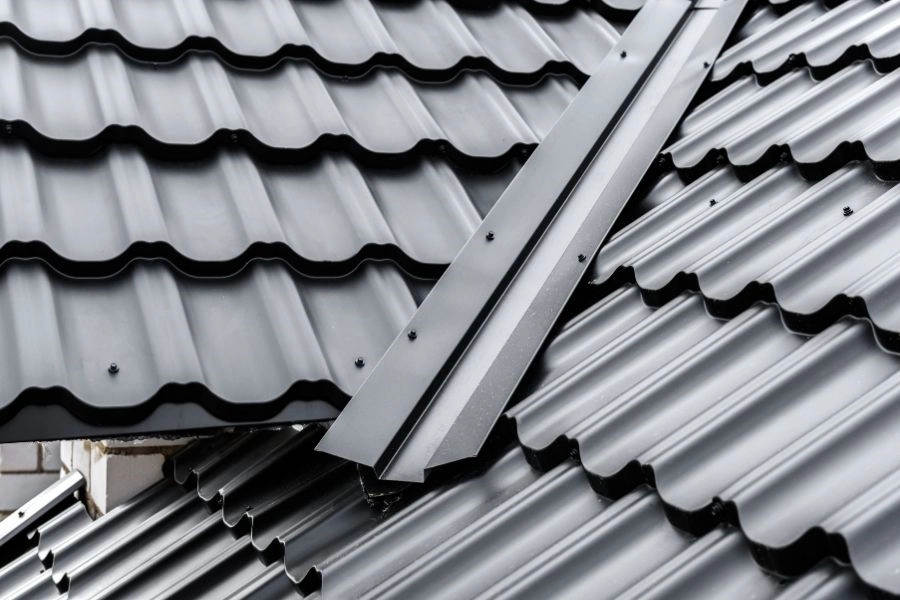
Metal roofing holds up to Colorado's hail season better than a standard three-tab asphalt shingle. A Class 4 impact-resistant metal roof is rated to withstand a 2-inch steel ball dropped from 20 feet without cracking, which mirrors the hail sizes the Front Range sees most summers. Metal roofing is also made largely from recycled steel or aluminum and is itself recyclable at the end of its life, which is the eco-friendly case for it beyond hail resistance.
Standing-seam and stone-coated steel are the two styles installers use most on Denver metro homes. Standing seam gives the cleanest, most modern line; stone-coated steel is shaped to look like traditional shingles or tile for a buyer who wants the eco and hail benefits without changing the home's look.
Does a Class 4 Roof Lower Colorado Homeowners Insurance?
Many Colorado insurers offer a premium credit for a certified Class 4 impact-resistant roof, since it lowers the odds of a hail claim. The exact credit varies by carrier and by zip code, so ask your insurance agent to quote the discount before and after a metal roof install. Get that number in writing; it changes the payback math below.
Metal Roof Cost and Payback on the Front Range
A standing-seam metal roof on a 2,000-square-foot Denver metro home runs $14,000 to $24,000 installed. A 30-year architectural asphalt tear-off and replacement on the same home runs $9,000 to $14,000. Metal costs more up front, but it lasts 40 to 60 years against 20 to 25 years for asphalt, and it avoids the full hail-damage replacement that a dented or cracked asphalt roof needs mid-life. Factor in the insurance credit and one avoided hail claim, and the lifetime cost of the two options lands close together.
| Roofing type | Installed cost, 2,000 sq ft | Front Range lifespan |
|---|---|---|
| Architectural asphalt shingle | $9,000 to $14,000 | 20 to 25 years |
| Standing-seam or stone-coated metal | $14,000 to $24,000 | 40 to 60 years |
Before hiring a contractor, confirm they carry Colorado workers' compensation coverage and have installed metal roofing locally; not every roofer who handles asphalt has the training for standing-seam metal flashing and seaming. Ask for three local references from the last hail season and a written manufacturer warranty that names the specific gauge of steel or aluminum used, since a thicker gauge holds up to larger hail without denting.
Xeriscaping and Water-Wise Gardening at 5,280 Feet
A traditional bluegrass lawn is the single biggest water draw on a Colorado property. Xeriscaping replaces some or all of that turf with drought-tolerant native plants, mulch, and drip irrigation, cutting outdoor water use significantly compared to a full bluegrass yard. Denver Water and Aurora Water both set summer watering schedules that limit which days and hours a sprinkler system can run; a xeriscaped yard needs far less water to stay healthy under those limits.
For food gardening at altitude, choose short-season vegetables: leafy greens, root vegetables, and peas handle Colorado's shorter growing window and cooler nights better than heat-loving crops that need a longer frost-free stretch. Raised beds with amended soil solve the state's alkaline, clay-heavy native dirt, which drains poorly and resists digging.
HOA and Metro District Rules on Xeriscaping
Front Range HOAs and metro districts increasingly allow xeriscaping, but most still require a landscape plan submitted for architectural review before turf is removed. Highlands Ranch Community Association and many Castle Rock and Parker HOAs specify which plant lists and mulch colors are approved. Check the governing documents before tearing out turf; an unapproved change can trigger a violation notice even if the water savings are real.
Xcel Energy Rebates for Colorado Efficiency Upgrades
Xcel Energy runs rebate programs that pay Colorado homeowners for attic insulation, smart thermostats, and heat pump water heaters. The rebate amount depends on the equipment installed and is paid out after the work is complete and documented, so get a contractor quote that separates the rebate-eligible items before signing.
Do These Upgrades Raise Resale Value in Denver Metro?
A metal roof and a documented xeriscape plan both show up as line items buyers and appraisers ask about on a Front Range listing, because both point to lower future maintenance and lower water bills. Neither replaces the basics an appraiser weighs most heavily, but both give a seller a concrete talking point during showings. The Preparing and Adding Value Before Selling guide covers which upgrades return the most at closing and which ones cost more than they add.
List the roof's install date, the manufacturer, and the impact rating on the seller's disclosure and in the listing description; a buyer's agent working a Front Range file asks about hail history on nearly every showing, and a documented Class 4 roof answers that question before it comes up. The same goes for a xeriscape conversion: keep the landscape architect's plant list and the HOA approval letter in a folder to hand over at closing so the next owner knows what is planted and how to maintain it.
Where to go next
- Preparing and Adding Value Before Selling
- Roof Replacement in Colorado: Costs, Lifespan, and Best Materials
- Colorado Hail and Roof Costs: What South Denver Right-Sizers Need to Compare
- Xeriscaping Your Colorado Home: A Front Range Homeowner's Guide
- Green & Energy-Efficient Homes in Denver
- Search every home for sale in Colorado
Talk to the Kenna Real Estate Group
The Kenna Real Estate Group helps Front Range owners weigh which eco-friendly upgrades actually move a sale price and which ones are personal preference, and helps buyers find homes that already have a metal roof or a water-wise yard in place. Call or text 303-955-4220. A live person answers. Not a robot, not a phone tree. Or search every home for sale in Colorado to see what's on the market right now. Ask for the printable eco-upgrade checklist in the form below and we email it the same day.