.jpg)


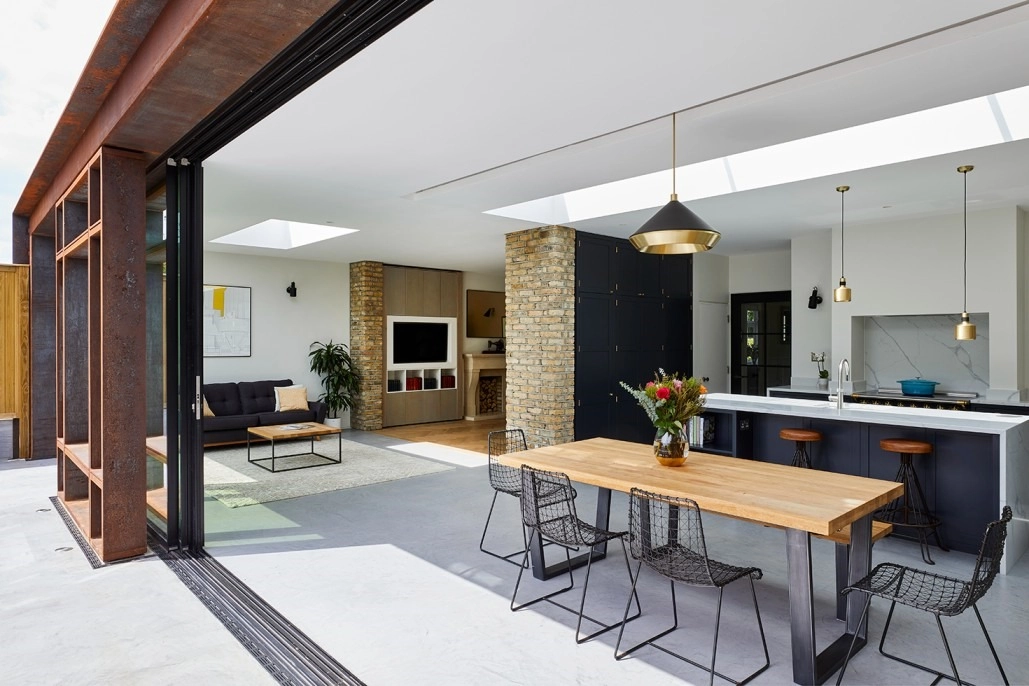
A weekend of DIY paint, lighting, and cabinet hardware updates can refresh a dated Colorado home for a few hundred dollars, and none of it requires a permit. The projects that go further, an accent wall, a cabinet repaint, a new light fixture, cost $50 to $600 each and are genuinely beginner-friendly with basic tools and an afternoon. This guide covers the easiest wins for a Front Range home, what Colorado's climate does to paint and drywall that other regions do not deal with, and exactly where DIY needs to stop and a licensed contractor needs to start.
Fresh paint: the fastest beginner project
A gallon of paint covers roughly 350 square feet with two coats and runs $30 to $70 for quality interior paint, making a single-room repaint one of the cheapest updates available. Colorado's low humidity means paint dries faster than in a humid climate, sometimes fast enough that roller marks show if you work too slowly across a wall; work in smaller sections and keep a wet edge. Prime any wall with cracks or patched drywall first, since Front Range homes on expansive clay soils develop hairline cosmetic cracks as the foundation shifts seasonally, and paint alone will not hide an unprimed patch for long.
Cabinet refresh: kitchen and bathroom
Removing cabinet doors and hardware, sanding, and applying a fresh coat of cabinet-grade paint or stain runs $150 to $400 in materials for an average kitchen and is one of the highest-return DIY projects available, since replacing cabinets outright costs many times more. Swapping dated hardware for modern pulls costs $2 to $15 per piece and takes an afternoon. This is a genuinely low-risk beginner project: no permit, no electrical or plumbing, and mistakes are easy to sand out and redo.
Lighting upgrade: swap fixtures on existing circuits
Replacing a dated ceiling fixture or dining room chandelier with a modern one on the same existing circuit and switch is a project most beginners can do without damage by turning off the breaker first; it does not require a permit because no new circuit is added. Switching to LED bulbs and fixtures cuts the electricity draw substantially, which matters in a state where a large share of homes run electric baseboard or heat pump backup in shoulder seasons. Any project that adds a new outlet, switch, or circuit (rather than swapping an existing fixture) crosses into work a licensed electrician should pull a permit for, since Colorado licenses electricians at the state level and Denver requires that license before signing off on new wiring.
Accent wall with peel-and-stick wallpaper or panels
Peel-and-stick wallpaper and paneling let a beginner add texture or color to one wall for $60 to $200 in materials without the commitment or mess of traditional wallpaper paste, and most products remove cleanly at move-out or resale prep. In a dry Colorado home, clean the wall surface well and let a freshly patched or primed wall cure fully before applying panels, since adhesive strips bond poorly to a wall that is still off-gassing fresh paint or joint compound.
Small fixes that solve a real annoyance
A recessed access panel for a plumbing shutoff, an attic hatch, or a low-voltage wiring run costs $30 to $80 and turns an ugly cut-out or a hard-to-reach valve into a finished-looking part of the wall, and installing one is a straightforward beginner project with a drywall saw and a screwdriver. It is a small project, but it is exactly the kind of detail a buyer's inspector notices in either direction: a clean, purpose-built access panel reads as cared-for; an exposed hole covered in duct tape does not.
Which DIY projects do not need a permit in Denver?
Paint, flooring that does not involve structural subfloor work, cabinet refacing, swapping light fixtures on an existing circuit, and cosmetic trim work do not require a permit anywhere on the Front Range. Anything that moves a wall, adds a new electrical circuit, touches gas or water lines, or changes the building's structure needs a permit and, in most cases, a licensed tradesperson. Colorado has no statewide license for general contractors, but Denver and most Front Range cities license contractors locally and require permits for structural, electrical, plumbing and mechanical work regardless.
How does Front Range clay soil cause cosmetic cracks in a home?
Denver-metro soils contain expansive bentonite clay that swells when wet and shrinks when dry, and that seasonal movement is the source of most hairline drywall cracks near doors, windows and ceiling corners in an otherwise healthy Front Range home. Painting over a crack without patching it first is a common beginner mistake; use paintable caulk or joint compound, let it cure, then paint. A crack that is wider than a quarter inch, growing, or paired with a door or window that has started sticking is a foundation question, not a paint question, and is worth a professional look before you buy materials.
Can I paint or update my home's exterior without HOA approval?
Interior DIY work never needs HOA approval. Exterior work does in most Front Range communities: repainting the house a different color, replacing a front door, adding exterior lighting, or building a fence needs architectural review committee sign-off first, even for a project you are doing yourself. Submit the request before buying materials; a completed project that skipped approval gets cited as a covenant violation regardless of how good it looks.
What DIY renovations add the most resale value on the Front Range?
Paint, updated lighting, and cabinet hardware consistently return more than their cost in buyer perception because they change how a home photographs and shows without a large investment. Deep-cleaning grout, decluttering, and fixing small annoyances (a sticky drawer, a loose handrail, a burned-out bulb) cost almost nothing and matter just as much during a showing. For a fuller picture of which projects are worth the money before you list, the Preparing and Adding Value Before Selling guide and a Smart Pricing Report from the Kenna Real Estate Group break down what buyers are actually paying for in your specific neighborhood.
How does altitude affect DIY paint application and drying time?
At 5,280 feet and above, lower humidity and lower air pressure make water-based paint dry noticeably faster than the can's instructions (written for sea level) suggest, which shortens the window for blending brush strokes and roller passes before they show. Work in smaller sections, keep a wet edge, and avoid painting in direct afternoon sun through a west-facing window, which accelerates drying even further and can cause visible lap marks.
What DIY projects should a beginner avoid in an older Denver-area home?
Skip DIY on anything involving knob-and-tube or aluminum wiring, galvanized or polybutylene plumbing, asbestos-containing materials common in homes built before the 1980s, and any wall that shows signs of being load-bearing (a beam or post below it, a long unsupported span above). These are the projects where a mistake is expensive, sometimes dangerous, and where Colorado's licensing requirements for electricians and plumbers exist precisely because the work has real consequences if it is done wrong. Ask for the printable beginner DIY checklist in the form below and we will email it the same day, with a list of which of these projects to hire out first.
Should I disclose DIY work when I sell my Colorado home?
Cosmetic DIY (paint, cabinet refresh, lighting swap on an existing circuit) does not need to be disclosed because it is not the kind of work that required a permit. DIY electrical, plumbing, or structural work done without a permit does need to be disclosed on Colorado's Seller's Property Disclosure form, and a buyer can raise it during the inspection objection window built into the standard Colorado purchase contract. When in doubt about which category a past project falls into, ask before you list rather than during a buyer's inspection.
Where to go next
- Preparing and Adding Value Before Selling
- Get a Smart Pricing Report before you list
- The Colorado Home Seller's Guide
- Which Renovations Actually Add Resale Value (and Which Don't)
- Why Remodeling Decisions Behave Like Dominoes
- Search homes for sale across Colorado
Talk to the Kenna Real Estate Group
Whether you are refreshing a home before you list or trying to figure out which weekend projects are worth doing before a move, the Kenna Real Estate Group can tell you which updates actually move the price in your neighborhood. Call or text 303-955-4220. A live person answers. Not a robot, not a phone tree. Or search every home for sale in Colorado right now.