.jpg)


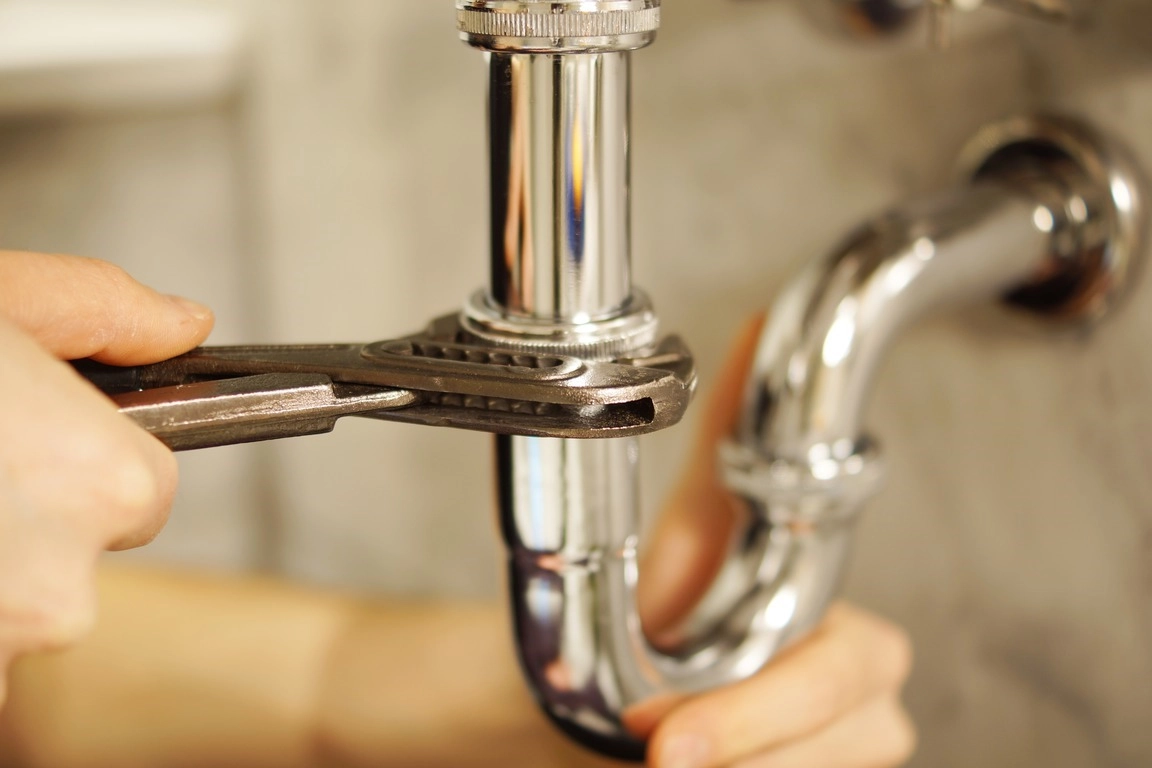
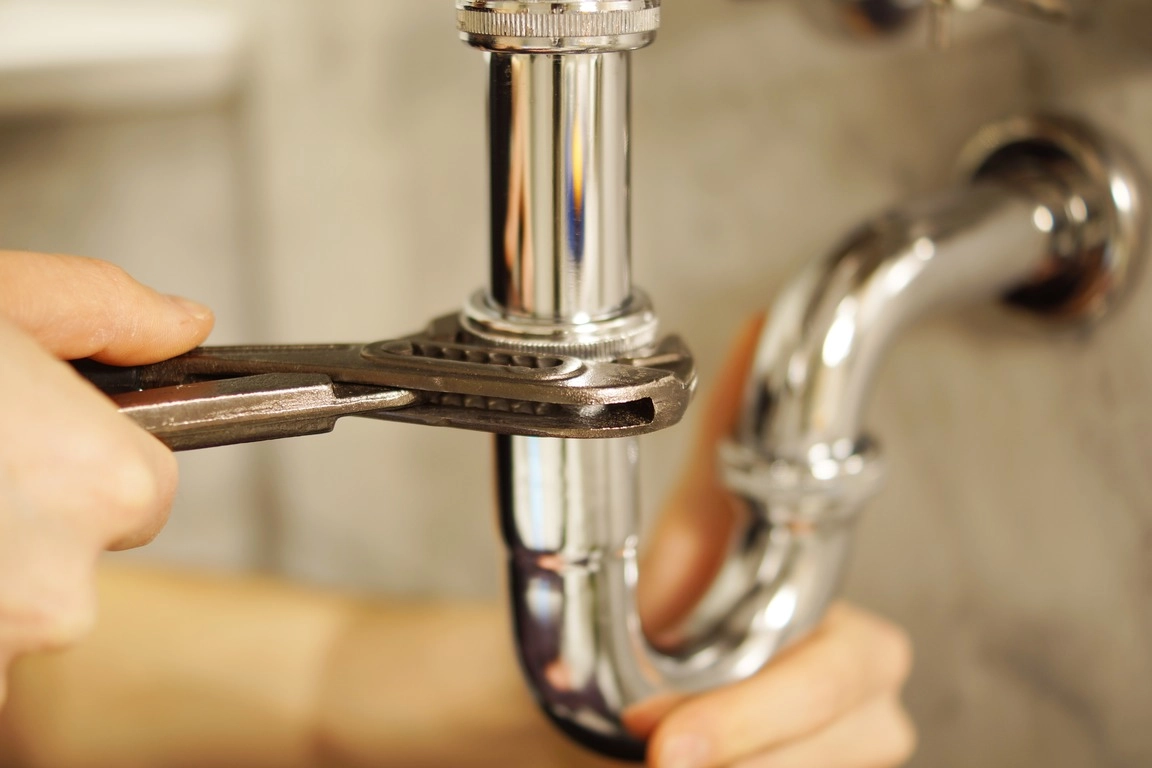
Water damage is one of the most significant threats to residential property value. Whether the issue is due to a slow leak, poor drainage, or a previous flood event, even minor water-related problems can lead to lasting consequences. For property owners, especially those preparing to sell, understanding how water damage affects home valuation and what steps can be taken to mitigate it is essential.
This article outlines the most common ways water damage affects real estate transactions and provides practical recommendations for addressing both existing issues and long-term risks.
Why Water Damage Can Reduce Buyer Confidence
Most prospective buyers are cautious when signs of water damage are present. These may include visible staining, musty odors, soft spots in flooring, or bubbling drywall. Even if the damage appears minor, it may indicate more significant hidden problems such as mold growth, compromised structural components, or plumbing issues.
In addition to structural and aesthetic concerns, water damage can raise questions about indoor air quality. According to CDC guidance on mold and health risks, exposure to indoor dampness or mold has been linked to respiratory symptoms and allergic reactions, particularly in vulnerable individuals. Buyers with families or health considerations may view any signs of moisture as a serious concern.
How Appraisals and Valuations Are Affected
Licensed appraisers evaluate homes based on condition, structural integrity, and market comparables. When water damage is present, they may reduce a property's value based on the anticipated cost of repairs and any perceived long-term impact. In some cases, lenders may require that water-related issues be resolved before approving a loan, particularly for government-backed financing such as FHA or VA loans.
In terms of financial impact, water damage can reduce a property's value by an estimated 5% to 20%, depending on the severity and scope of the problem. This reduction may be greater if water-related issues are active at the time of sale or if repairs appear incomplete.
Additionally, homes with a history of water damage—even if fully repaired—may attract lower offers due to the potential for recurrence or buyer hesitation.
Where Water Damage Commonly Occurs
In many cases, water damage is not immediately visible. Common areas where moisture problems develop include:
- Roof valleys, flashing, and attic spaces
- Plumbing lines behind walls or under slab foundations
- Basements and crawlspaces with inadequate drainage
- Window and door seams exposed to weather
- Improperly graded landscaping near the home's foundation
Kitchens and laundry areas should not be overlooked either. A small issue such as a dishwasher leaking beneath cabinets can go undetected for extended periods, leading to subfloor damage, mold growth, and costly structural repairs.
Some of the most costly water-related problems begin below ground level. When moisture accumulates near a home's foundation, it can lead to structural movement, wall cracking, and long-term instability—issues often linked to inadequate grading or failed drainage systems. In more severe cases, homeowners may need to consult specialists like Xpert Foundation Repair to assess structural concerns and prevent further deterioration. Proper maintenance is essential, given the hidden dangers of foundation water damage in older or poorly maintained properties.
Preparing a Property for Sale: Inspection and Repair
Before listing a property, it is advisable to perform a comprehensive visual inspection and address any known or suspected areas of water damage. Homeowners should look for staining, odor, or warping around baseboards, ceilings, and exterior walls. In cases where past damage is known, obtaining a professional inspection report can provide buyers with confidence.
It is strongly recommended that a licensed contractor or remediation specialist be hired to repair significant moisture damage. Proper water damage repair and cleanup include not only cosmetic repairs but also carpet cleaning, roof repair, and plumbing checks where necessary.
When repairs are complete, homeowners should retain documentation such as contractor invoices, inspection reports, or warranties, which can be shared with prospective buyers during the transaction process.
Getting subsidence insurance for your property with such visible damage can be difficult. Consult with Policy Powerhouse to get the possible pathway.
Dealing with Water Damage in Colorado? Here’s How to Restore Your Home Right.
Let us help you. Call or Text Kenna Real Estate Group at 303-955-4220 to get personalized assistance from our expert real estate agents. Find out what your home is worth in today's market.
Preventative Maintenance for Long-Term Property Protection
Property owners who are not planning to sell their home immediately can take several steps to reduce the risk of future water damage and protect its long-term value. Key maintenance activities include:
- Cleaning gutters and downspouts regularly
- Ensuring proper grading around the home's perimeter
Sealing foundation cracks and exterior penetrations
- Installing or maintaining sump pumps in basements
- Using dehumidifiers in damp areas such as crawlspaces or utility rooms
- Performing annual roof inspections and sealing vulnerable joints
Consistent maintenance reduces the likelihood of damage and supports a stronger valuation in the future.
Transparency and Disclosure When Selling
In Colorado and many other U.S. states, sellers are legally obligated to disclose any known issues with the property, including past or present water damage. Complete and transparent disclosure—accompanied by evidence of professional repair—can improve buyer trust and reduce negotiation friction.
Well-managed repairs also complement other simple ways to increase your home’s value, such as updated fixtures, fresh paint, or enhanced curb appeal. A home that is clean, dry, and properly maintained is more likely to attract offers at or above market value.
Conclusion
Water damage can present serious challenges in a real estate transaction, but these challenges can be effectively addressed through thorough inspection, prompt remediation, and transparent disclosure. Whether you plan to list your home soon or are simply maintaining your property's condition over time, a proactive approach to water management helps preserve its value and marketability.
Frequently Asked Questions
1. Can water damage be a dealbreaker in a real estate transaction?
Yes, in many cases it can. Active water damage or unresolved issues may lead buyers to withdraw offers, request significant concessions, or reduce their offer price. If the damage impacts the appraisal or the property's insurability, it can also delay or prevent loan approval.
2. Does a homeowner's insurance cover water damage repairs before selling a home?
Whether the damage is covered depends on its underlying cause. Sudden incidents, such as burst pipes or accidental overflows, are usually covered, while gradual issues resulting from poor maintenance, roof leaks, or seepage are often not. Before listing your home, it's a good idea to review your insurance policy or consult with your provider to clarify what is and isn't covered.
3. Should I disclose past water damage if it was professionally repaired?
Yes. In most states, sellers are legally required to disclose all known material defects, including previous water damage, even if it has been fully repaired. Providing documentation of professional repairs can help establish buyer confidence and reduce negotiation issues.
4. How soon should I repair water damage before listing my home?
Repairs should be completed as early as possible—ideally before scheduling showings or listing the property. This ensures the damage does not appear in photos, prevents negative first impressions, and avoids issues during inspections or appraisals.
Related Articles
- 4 Signs of Water Damage on Your Floors and Ways to Fix It
- Understanding Water Damage in Frisco, Texas_ What Makes It Unique
- Plumbing Inspections 101: Why Homebuyers Should Check Before They Invest