New - Just Now
$899,000
Coming Soon
4
Beds
3
Baths
2031
Sqft
0.14
Acres
2055 S Williams St, Denver, CO 80210
MLS#: REC5144162
.jpg)


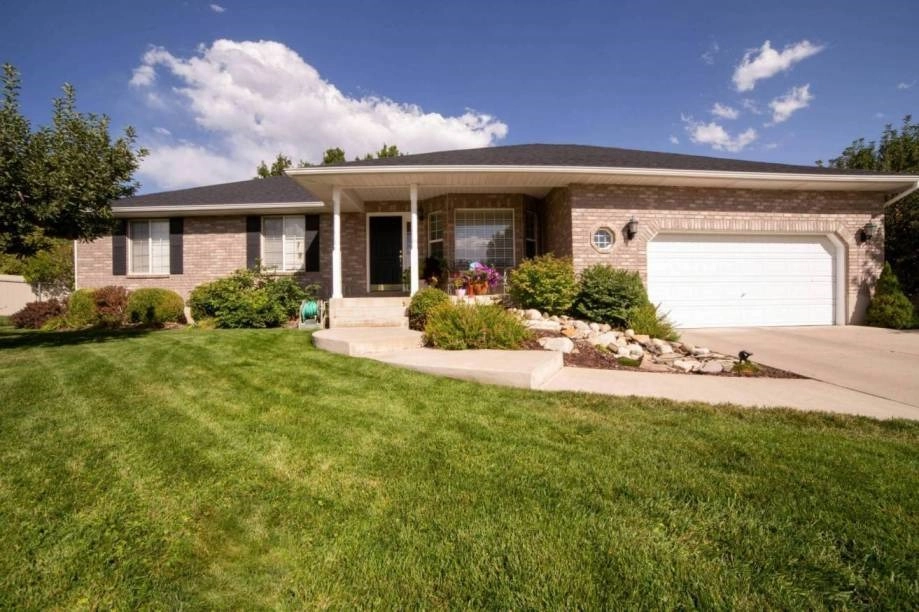
A Colorado rental with a clean, low-upkeep yard leases faster and draws a stronger applicant pool than an identical unit with a patchy lawn and bare dirt beds. Landscaping is one of the few upgrades that helps an owner twice: it shows better in listing photos, and a water-wise plan keeps the ongoing cost of keeping it that way low.
Yes. Renters on the Front Range scroll listing photos the same way buyers do, and an overgrown lawn or bare dirt bed in the first photo reads as a property that is not maintained, which raises questions about everything else in the unit. A clean, mulched, mowed yard removes that doubt before a prospective tenant ever schedules a showing.
A mowed lawn, trimmed shrubs away from windows and doors, and a usable outdoor space, a small patio or a fenced-in area for a pet, are the details tenants comment on most in showings. Elaborate garden beds matter less to a renter than they do to a buyer; what matters is that the space looks cared for and is easy to keep that way.
For most Front Range rentals, yes. A xeriscape bed with native and drought-tolerant plants cuts the water bill and the mowing burden, whether that falls to the owner or the tenant, and holds up better between tenant turnovers than a bluegrass lawn that goes unwatered during a vacancy. Keep a small turf patch if the expected tenant profile includes pets or kids; full xeriscaping works well for the rest of the lot.
Colorado does not set a single default rule; the lease itself assigns the responsibility, and it should say so in writing. Many Front Range owners keep mowing and irrigation system upkeep as the owner's job on a single-family rental, since a neglected yard hurts the property's value and curb appeal even during a lease, while asking the tenant to keep the yard tidy day to day (bagging trash, not letting pets damage beds). Spell it out in the lease so there is no dispute at move-out.
Budget $50 to $150 a month for basic mowing and seasonal cleanup on a single-family rental with a standard lot, or $400 to $1,200 a year total including spring and fall cleanup. A xeriscape conversion runs $8,000 to $18,000 upfront but drops that ongoing number significantly once the beds are established, by the second growing season in most cases.
| Landscape type | Annual upkeep cost | Tenant appeal |
|---|---|---|
| Neglected turf | $0 upfront, high hidden cost in vacancy and turnover | Low: signals a poorly maintained property |
| Maintained turf | $600 to $1,200 | Medium to high |
| Established xeriscape | $200 to $500 | High, especially with buyers and renters who value water-wise design |
A well-maintained yard supports asking rent at the top of the comparable range for the neighborhood and shortens vacancy time, which matters more to the bottom line than a small rent premium. The bigger financial win is fewer days on market between tenants, not a higher listed rent. On a $2,400-a-month Front Range rental, cutting vacancy by even one week is worth more than most owners assume once they run the math against a mulch and cleanup bill that costs a fraction of that.
Ornamental grasses, yarrow, penstemon and other Front Range native perennials hold up with minimal attention between tenant turnovers and do not need the weekly care a flower bed or vegetable garden does. Avoid plants that need frequent deadheading or division; a rental yard should look good with the minimum realistic level of tenant care. Skip anything thorny or toxic to pets near a walkway or fence line, since a large share of Front Range renters have a dog, and a plant that snags a leash or a paw becomes a maintenance call the owner has to answer.
Yes, and documentation is what settles it. Photograph the yard's condition at move-in and move-out with dates, and note the landscaping condition on the written move-in checklist alongside the interior. Colorado's security deposit rules require an itemized, timely accounting for any deductions, and clear before-and-after photos make a landscaping deduction easy to support if a dispute comes up.
Substantially. A bluegrass lawn on a standard Front Range lot needs roughly 25 to 30 inches of supplemental water a season; an established xeriscape bed needs a fraction of that. On a metered rental where the owner pays the water bill, that difference shows up directly on the monthly statement.
Yes, treat the yard the same as any interior room: note the lawn condition, bed condition, fence condition and any existing damage, with photos and a signature from the tenant. This protects both sides and gives a clear baseline for the move-out comparison.
A fenced yard widens the applicant pool to include pet owners, who make up a large share of Front Range renters and tend to stay in a unit longer when it works for their pet. Fencing runs $2,500 to $6,000 for an average lot and pays for itself through lower turnover in many cases.
Less dramatically, but yes. A rental applicant is choosing a place to live for a year or more, and a neglected exterior raises the same maintenance question a buyer asks: what else has this owner let slide? A single-family rental competes with other single-family rentals on the same block, and yard condition is one of the few differences an applicant can see from the street before scheduling a tour.
Yes, almost without exception. An out-of-state owner cannot check the yard between tenants or after a hailstorm, and a local property manager or landscaper who visits on a set schedule catches problems, a broken sprinkler head, a dead patch of turf, a fence panel down after a windstorm, before they turn into a vacancy or a tenant complaint. Build a $50 to $150 monthly landscaping line item into the rental's operating budget rather than treating it as an occasional expense.
Whether you own one Front Range rental or a small portfolio, the Kenna Real Estate Group can help you weigh a xeriscape conversion, price a fence, or evaluate whether it is time to sell instead of re-lease. Call or text 303-955-4220. A live person answers. Not a robot, not a phone tree. Or search every home for sale in Colorado right now.
Questions about any home in Colorado? Call or text 303-955-4220. A live person answers.
Yes. A clean, mowed, mulched yard removes a maintenance doubt before a prospective tenant ever schedules a showing, and it shows better in listing photos.
For most Front Range rentals, yes. It cuts the water bill and mowing burden and holds up better than an unwatered lawn during a vacancy.
Colorado does not set a single default; the lease assigns the responsibility. Many owners keep mowing and irrigation as the owner's job and ask the tenant to keep the yard tidy day to day.
$50 to $150 a month for basic mowing and seasonal cleanup on a standard single-family lot, dropping significantly once an established xeriscape bed is in place.
It supports asking rent at the top of the comparable range and shortens vacancy time more than it adds a large rent premium on its own.
Yes. Photograph the yard at move-in and move-out and note its condition on the written checklist so any deduction is easy to support.
A bluegrass lawn needs roughly 25 to 30 inches of supplemental water a season; an established xeriscape bed needs a fraction of that, a direct savings on a metered water bill.
Yes. It widens the applicant pool to pet owners, who stay in a unit longer on average, and costs $2,500 to $6,000 for an average lot.